TRUST & CARE
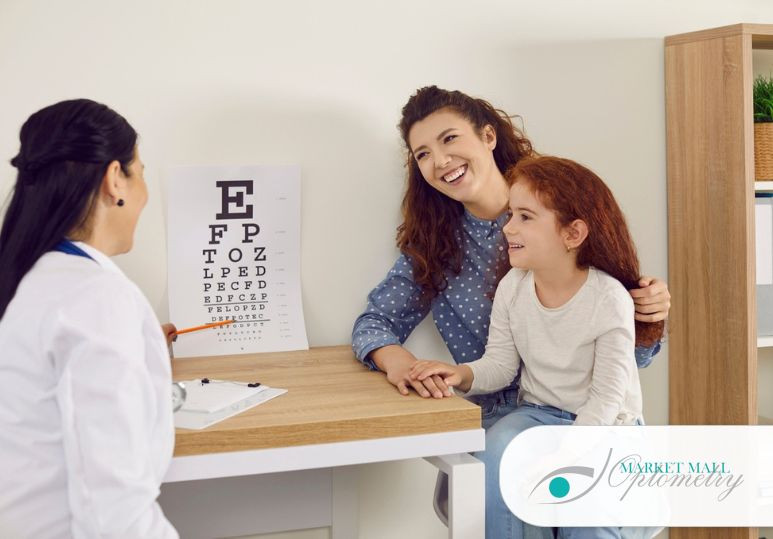
Choosing an eye care clinic is about more than finding the closest location or first appointment available. A great clinic should make you feel informed, comfortable, and confident in the care you receive. From the first phone call to the final explanation of your exam results, communication should be clear and easy to understand.
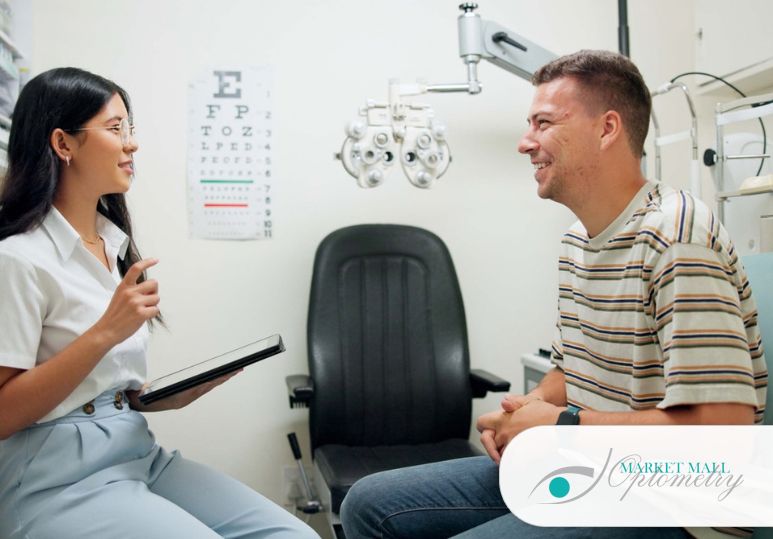
One of the first things to consider is how the clinic communicates with patients. Are questions welcomed? Are recommendations explained in plain language? Does the optometrist take time to discuss your concerns, symptoms, lifestyle, and health history? Good communication helps patients understand what is happening with their vision and why certain tests, treatments, or follow-up visits may be recommended.
A strong Eye Care Clinic should also make patients feel heard. Eye care is personal because visual needs can vary depending on age, work, school, screen use, driving, contact lenses, medical conditions, and family history. A clinic that takes time to understand those factors can provide more individualized care instead of giving every patient the same experience.
Questions worth asking include:
- Experience
- Communication
- Availability
- Followup
- Comfort
- Options
- Support
- Education
It is also helpful to consider how comfortable you feel asking questions. You should be able to discuss headaches, dryness, blurry vision, contact lens discomfort, night driving, or other concerns without feeling rushed. Even small symptoms can affect daily life, and patients should feel comfortable bringing them up.
Patient education is another sign of strong care. A good optometrist should explain findings clearly and help you understand what they mean. If your prescription has changed, you should know how that may affect your vision. If the optometrist notices something that requires monitoring, you should understand what is being watched and when you should return.
The clinic environment matters too. Staff should be professional, organized, and helpful when scheduling appointments, answering questions, or explaining next steps. A positive experience often depends on the entire team.
Ultimately, trust is built through consistency. When a clinic communicates clearly, listens carefully, and treats patients with respect, it becomes easier to build a long-term relationship and stay proactive about eye health.
SERVICES & TECH
Another important question is whether the clinic offers the services you may need now and later. Eye care needs can change over time, so choosing a clinic with a broad range of services can make ongoing care more convenient.
Routine eye exams are the foundation of preventive eye care, but many patients may also need additional testing, contact lens fittings, dry eye support, diabetic eye exams, retinal imaging, or monitoring for age-related eye conditions. Families may also want a clinic that provides care for children, adults, and seniors so everyone can receive care in one familiar location.
Before choosing a clinic, ask what types of eye exams and diagnostic services are available. A clinic should be able to explain what is included in a comprehensive exam and when additional testing may be recommended.
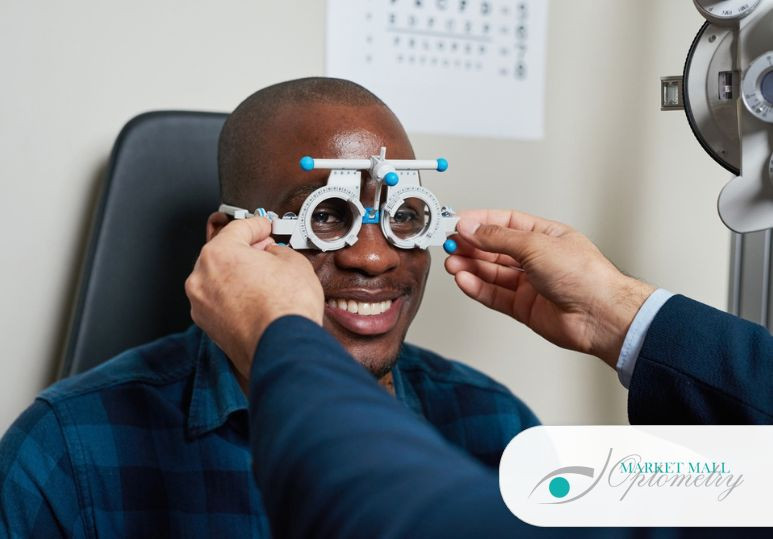
Technology can also play an important role in modern eye care. Advanced imaging and diagnostic tools can provide information about structures inside the eye. Depending on the clinic and the patient’s needs, technology may help document changes over time and support earlier identification of certain concerns.
Useful areas to ask about include:
- Imaging
- Screening
- Testing
- Contacts
- Dryness
- Children
- Seniors
- Diabetes
Technology alone does not make a clinic great, but it can strengthen care when it is used appropriately and explained clearly. Patients should understand why a test is being performed and how the results contribute to their overall eye health assessment.
It is also worth asking whether the clinic can manage ongoing care if something changes. For example, if you develop dry eye symptoms, start wearing contact lenses, or require closer monitoring because of diabetes or family history, can the clinic support those needs? Having access to multiple services can reduce the need to start over somewhere else.
Families may find this especially useful because different generations often have different visual needs. A child may need support with school-related vision concerns, an adult may need help with digital eye strain or contact lenses, and a senior may require monitoring for cataracts, glaucoma, or macular changes.
A well-equipped clinic should combine technology with clinical judgment. Equipment can collect valuable information, but the optometrist still needs to interpret the findings, explain them clearly, and recommend appropriate next steps.
When comparing clinics, look for a balance of thorough examinations, suitable technology, and a broad range of services. The goal is not to choose the clinic with the most equipment, but the one that uses its resources effectively to support personalized, preventive eye care.
ACCESS & CONTINUITY
Convenience may not seem as important as clinical care, but it can influence how consistently you attend appointments. A clinic that is easy to access, responsive, and organized can make it simpler to maintain regular eye care over time.
Start by considering practical details such as location, parking, appointment hours, and scheduling options. If the clinic is difficult to reach or rarely has appointments that fit your schedule, you may be more likely to delay routine care. Families may also want to know whether family members can be scheduled together.
Ask how the clinic handles urgent concerns. Sudden vision changes, eye pain, flashes, floaters, or injuries may require prompt attention. Knowing whether the clinic offers urgent appointments or can guide you toward appropriate care can provide reassurance.
Other practical questions include:
- Location
- Hours
- Parking
- Booking
- Emergencies
- Reminders
- Eyewear
- Billing
Continuity is another major benefit of choosing the right clinic. Seeing the same eye care team over time allows your optometrist to compare current findings with previous exams and understand your visual history. This can make gradual changes easier to recognize and can improve the quality of long-term monitoring.
A clinic that keeps detailed records of prescriptions, eye health findings, imaging, and previous concerns can provide useful context at future visits. Instead of treating every appointment as a separate event, the clinic can look at patterns over time.
Continuity can be especially valuable when your health changes. Starting a new medication, developing diabetes, experiencing more screen-related discomfort, or noticing changes in night vision may affect your eye care needs. An optometrist who already knows your history can evaluate those changes with more context.
Eyewear services may also matter. If you need glasses or contact lenses, ask whether the clinic offers fitting support, adjustments, repairs, or help choosing options that match your prescription and lifestyle. Convenient access to both examinations and eyewear can make the overall process easier.
Choosing an Eye Care Clinic should involve more than comparing prices or availability. Look at how the clinic communicates, what services it provides, how technology is used, and whether the overall experience supports long-term care.
At Market Mall Optometry, patients can access comprehensive eye care, technology, and services for different stages of life. Asking the right questions before choosing an optometrist can help you find a clinic where you feel comfortable, informed, and supported.
A great clinic should make it easier to take care of your eyes, understand your options, and return confidently for future appointments. The right relationship can support long-term eye health and more consistent eye care for many years to come.
FAQ's:
Q: WHAT SHOULD I ASK BEFORE CHOOSING AN OPTOMETRIST?
A: Ask about the clinic’s exam process, available technology, services, appointment availability, and approach to explaining results. It is also worth asking whether the clinic provides care for different age groups and how follow-up concerns are handled.
Q: DOES TECHNOLOGY MATTER WHEN CHOOSING AN EYE CARE CLINIC?
A: Technology can provide useful information about your eyes and help monitor changes over time, but equipment is only one part of quality care. The optometrist should also explain why testing is recommended and what the results mean for your eye health.
Q: HOW DO I KNOW IF AN EYE CARE CLINIC IS A GOOD FIT?
A: Consider how comfortable you feel asking questions, whether the staff communicates clearly, and whether the clinic offers the services you may need. A good fit should make you feel informed, respected, and confident about returning for ongoing eye care.