LENS COMFORT
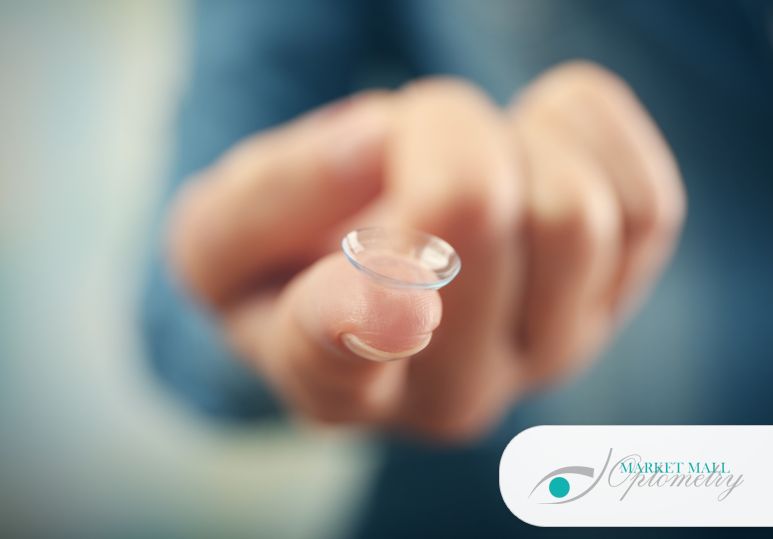
Modern contact lenses are significantly more advanced than earlier lens designs. One of the biggest improvements involves lens materials that allow more oxygen to reach the surface of the eye. Increased oxygen flow helps maintain healthier eyes and reduces dryness or irritation during extended wear.
Many modern contact lenses are made from silicone hydrogel materials, which are designed to improve breathability while maintaining flexibility and comfort. These lenses often feel more natural throughout the day, especially for patients who spend long hours on computers or digital devices.
Several lens features now contribute to improved comfort, including:
- Moisture-retaining technology that helps reduce dryness
- Breathable materials that increase oxygen transmission
- Smoother lens surfaces that minimize irritation
- Daily disposable options that improve hygiene
- UV protection in select contact lens designs
Patients who previously stopped wearing contact lenses because of discomfort may find newer lens technologies much easier to tolerate. Modern lens designs are often customized based on eye shape, prescription needs, and lifestyle demands.
Comfort is especially important for individuals who wear contact lenses for work, exercise, or extended daily activities. Reducing irritation and dryness allows patients to maintain clearer, more stable vision throughout the day.
CLEARER VISION
Modern contact lenses also provide improved visual performance for a wider range of prescriptions. Advances in lens design now allow many patients with more complex vision needs to wear contact lenses comfortably.
Common advanced contact lens options include:
- Toric lenses designed for astigmatism
- Multifocal lenses for near and distance vision correction
- Specialty lenses for irregular corneas
- Daily disposable lenses for convenience and hygiene
- Extended wear lenses for select patients
Toric contact lenses help stabilize lens positioning on the eye, improving clarity for patients with astigmatism. Multifocal lenses provide smoother transitions between reading and distance vision, reducing the need for reading glasses in many situations.
Digital screen use has also influenced modern contact lens technology. Many newer lenses are designed to retain hydration more effectively, helping reduce fatigue and dryness associated with prolonged screen exposure.
Proper lens fitting remains extremely important. Even the most advanced contact lenses may cause discomfort if they do not fit correctly. Comprehensive contact lens exams evaluate corneal shape, tear film quality, and prescription stability to ensure lenses support both comfort and visual performance.
EYE HEALTH
Contact lenses should always be part of a broader eye health plan rather than simply a vision correction tool. Regular eye exams help ensure contact lenses continue fitting properly and do not negatively affect the surface of the eye.
During contact lens evaluations, optometrists assess several factors related to lens health and wearability, including:
- Corneal health and oxygen exposure
- Tear film stability and dryness levels
- Prescription accuracy and vision clarity
- Lens movement and positioning
- Signs of irritation or inflammation
Routine monitoring allows optometrists to identify small issues before they become more serious. Patients who experience redness, dryness, blurred vision, or irritation may benefit from changing lens materials or adjusting wear schedules.
Daily hygiene is also essential for long-term comfort and eye health. Replacing lenses as directed, cleaning reusable lenses properly, and avoiding overnight wear when not recommended all help reduce the risk of complications.
Comprehensive contact lens care becomes especially important as vision needs change over time. Adults may require updated prescriptions, multifocal correction, or lenses better suited for digital device use and dry eye symptoms.
Modern contact lenses continue to evolve with improved materials, advanced moisture technology, and more personalized fitting options. When paired with regular eye exams and professional guidance, these advancements help patients maintain clearer vision, stronger comfort, and healthier eyes over the long term.
Many patients also benefit from regular follow-up appointments that monitor how their eyes respond to contact lens wear over time. Even when lenses feel comfortable initially, changes in tear film quality, screen use habits, or prescription stability can gradually affect comfort and clarity. Routine evaluations help identify these changes early and allow optometrists to recommend adjustments before symptoms become more noticeable.
Different lifestyles may also require different lens solutions. Patients often benefit from lenses designed specifically for:
- Extended computer and digital screen use
- Dry environments or air-conditioned workplaces
- Sports and physically active lifestyles
- Sensitive eyes or dryness concerns
- Multifocal vision correction needs
Contact lens technology has also improved convenience for many patients. Modern lens options now include:
- Daily disposable lenses that improve hygiene
- Multifocal lenses for near and distance vision
- Toric lenses designed for astigmatism
- Moisture-retaining materials that reduce dryness
- Breathable lenses that improve oxygen flow
Daily disposable lenses help reduce buildup that may contribute to irritation or inflammation. Multifocal contact lenses continue improving for adults experiencing age-related vision changes, allowing many patients to maintain clearer vision at multiple distances without relying heavily on reading glasses.
With continued advancements in lens materials and fitting technology, contact lenses are becoming more customizable, comfortable, and effective for a broader range of visual needs.
Modern contact lens technology also continues improving for patients with changing visual demands and busy lifestyles. Many newer lenses are designed to maintain hydration longer throughout the day, helping reduce dryness caused by digital screen use, air conditioning, and prolonged wear. Patients who previously struggled with discomfort may now have access to more specialized lens materials and fitting options tailored to their specific needs.
Regular monitoring remains important because eye shape, tear quality, and prescription stability can gradually change over time. Ongoing contact lens evaluations help ensure lenses continue providing clear, comfortable, and healthy vision while reducing the risk of irritation or long-term complications.
FAQ's
Q: ARE MODERN CONTACT LENSES MORE COMFORTABLE THAN OLDER LENSES?
A: Yes. Modern contact lenses use advanced materials that improve oxygen flow, retain moisture more effectively, and reduce dryness or irritation during daily wear.
Q: CAN CONTACT LENSES HELP WITH ASTIGMATISM?
A: Yes. Toric contact lenses are specifically designed to improve clarity and stability for patients with astigmatism.
Q: HOW OFTEN SHOULD I HAVE A CONTACT LENS EXAM?
A: Most patients should schedule yearly contact lens exams to monitor eye health, confirm proper lens fit, and keep prescriptions accurate.