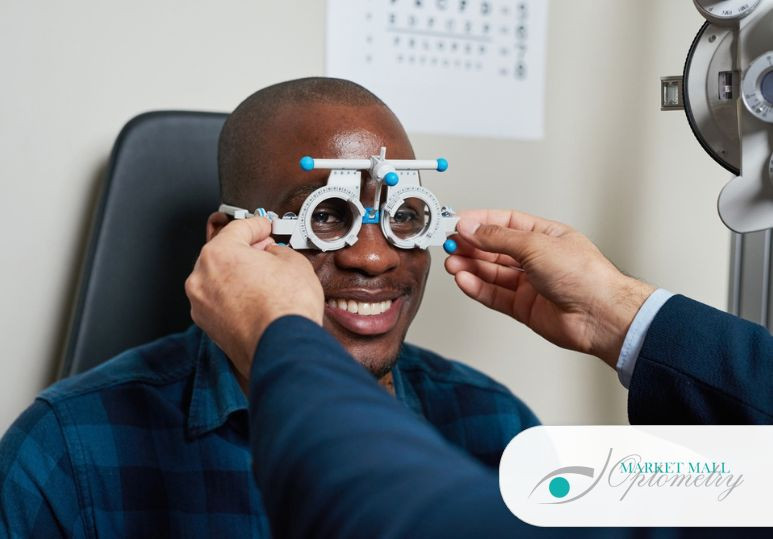
Blurry or Fluctuating Vision
Occasional blur after a long day on screens may not seem alarming. However, persistent or worsening blurry vision deserves attention. Changes in clarity can stem from a simple prescription shift, but they may also indicate underlying concerns such as cataracts, corneal issues, or early retinal disease.
Fluctuating vision throughout the day can be particularly important to evaluate. For individuals living with diabetes, inconsistent clarity may signal blood sugar-related changes affecting the lens or retina. Even mild blur that gradually worsens should be assessed through comprehensive eye exams patients rely on for preventative care.
Ignoring progressive blur often leads to unnecessary strain, headaches, and reduced productivity. A thorough assessment checks refraction, eye coordination, retinal health, and optic nerve condition to determine the root cause. Early diagnosis allows treatment options to be explored before symptoms become disruptive.
Flashes, Floaters, or Sudden Visual Disturbances
Seeing sudden flashes of light or a noticeable increase in floaters can feel alarming—and for good reason. While occasional floaters are common with age, a sudden shower of spots, streaks of light, or a shadow in peripheral vision may indicate retinal changes. In some cases, these symptoms are linked to retinal tears or detachment, which require urgent evaluation.
An immediate assessment during a routine eye exam , patients schedule for urgent concerns allows the optometrist to examine the retina in detail. Retinal imaging and dilation help determine whether the symptoms are harmless age-related changes or something requiring prompt intervention.
Sudden double vision, partial vision loss, or a dark curtain effect across your sight should never be ignored. These changes can be related to vascular events, nerve issues, or structural retinal problems. Timely evaluation protects not only vision but overall neurological health.
Persistent Eye Strain, Headaches, or Night Vision Changes
Eye discomfort is often blamed on screen time, but ongoing strain may signal uncorrected refractive error, dry eye, or binocular vision imbalance. Adults who experience frequent headaches after reading or working on digital devices should consider a professional assessment. Small prescription inaccuracies can significantly increase visual effort over time.
Difficulty seeing at night is another common change that deserves attention. Glare from headlights, halos around lights, or reduced clarity in dim settings may indicate early cataract development or other lens changes. A comprehensive evaluation ensures that these symptoms are monitored properly.
Peripheral vision loss can be especially subtle. Conditions such as glaucoma often develop gradually without pain. By the time noticeable vision loss occurs, damage may already be advanced. Regular monitoring during adult eye exams clinics provide helps track eye pressure, optic nerve health, and field of vision over time.
Even mild dryness, burning, or redness that persists can reduce visual clarity and comfort. Addressing these symptoms early supports long-term stability and reduces inflammation that may otherwise affect daily function.
Recognizing when symptoms are persistent, progressive, or sudden is key. Adults often adapt to small visual changes without realizing how much clarity has shifted. A comprehensive evaluation establishes a baseline and compares subtle differences year over year.
Vision changes are not always dramatic. Sometimes they appear as small inconveniences: adjusting screen brightness, squinting at road signs, increasing font size, or avoiding night driving. These behavioural adaptations may signal that it is time for an updated prescription or deeper evaluation.
Preventative scheduling of routine eye exams residents trust allows early detection before discomfort escalates. Clear sight contributes to workplace safety, driving confidence, and overall quality of life. Ignoring changes may delay treatment and increase the risk of long-term complications.
If you notice any persistent or unusual visual symptoms, booking an assessment with an experienced optometrist ensures a thorough evaluation. Proactive care protects your vision today and safeguards it for the future.
FAQs
Q: WHEN SHOULD I SEE AN OPTOMETRIST FOR VISION CHANGES?
A: You should schedule an appointment as soon as you notice persistent blur, sudden flashes, new floaters, double vision, or partial vision loss. Early assessment helps rule out serious conditions and ensures timely treatment if needed.
Q: ARE FLOATERS ALWAYS A SIGN OF SOMETHING SERIOUS?
A: Occasional floaters are common, especially with age. However, a sudden increase in floaters or flashes should be evaluated promptly to rule out retinal concerns.
Q: CAN HEADACHES BE RELATED TO VISION PROBLEMS?
A: Yes. Uncorrected prescriptions, eye strain, and focusing issues can contribute to recurring headaches. A comprehensive eye exam can determine whether vision changes are playing a role.