EARLY DETECTION PROTECTS LONG-TERM VISION
Preventative eye care focuses on identifying problems before noticeable symptoms appear. Many eye diseases develop gradually and without discomfort, making regular monitoring essential. Conditions such as glaucoma, macular degeneration, and diabetic eye disease can progress quietly for years before affecting vision.
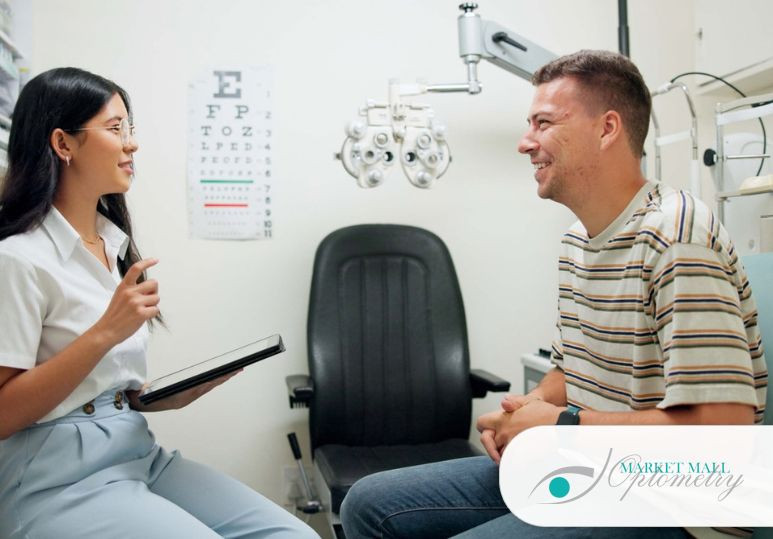
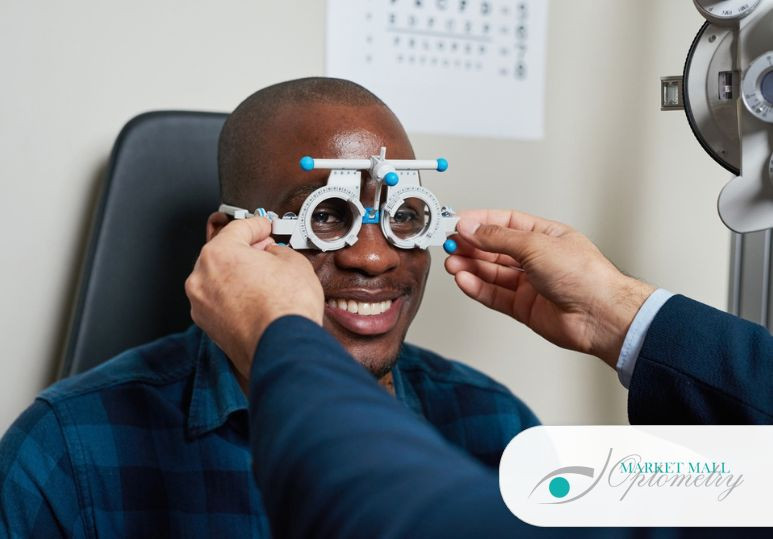
Comprehensive eye exams evaluate visual clarity, eye pressure, peripheral vision, and the health of internal structures such as the retina and optic nerve. These assessments allow optometrists to detect subtle structural changes early. When potential concerns are identified at an early stage, treatment options are typically more effective and easier to manage.
Advanced diagnostic tools, including retinal imaging, allow detailed views of internal eye structures. These technologies help establish a baseline and track changes over time. Preventative monitoring helps reduce the risk of long-term vision complications and supports stronger overall eye health.
Regular exams also ensure prescriptions remain accurate. Even small changes in clarity can contribute to headaches, eye strain, or reduced comfort during daily activities. Early adjustments help maintain clear, comfortable vision.
PREVENTATIVE EYE CARE AT EVERY LIFE STAGE
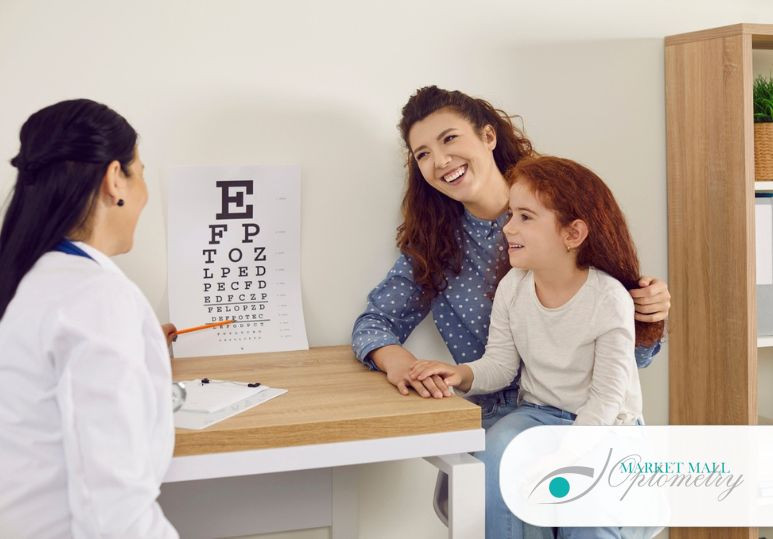
Preventative eye care is important at every stage of life. For children, regular exams help support visual development and learning. Vision plays a significant role in reading ability, focus, and classroom engagement. Early evaluations help detect nearsightedness, farsightedness, astigmatism, and eye coordination issues before they affect academic performance.
Adults benefit from consistent eye exams that monitor prescription changes and overall eye health. Many adults spend long hours working on computers and digital devices, which can contribute to eye strain, dryness, and fatigue. Routine exams help ensure visual comfort and accurate prescriptions.
Eye exams can also reveal early signs of broader health concerns. Changes in retinal blood vessels may indicate high blood pressure, diabetes, or other systemic conditions. Because the eyes provide a direct view of blood vessels and nerve tissue, optometrists are often able to detect health concerns during routine examinations.
Regular monitoring allows individuals to maintain stable vision while also protecting long-term eye health. Preventative care focuses on maintaining healthy eyesight rather than reacting to problems after they develop.
CONSISTENT EXAMS SUPPORT LONG-TERM EYE HEALTH
One of the most valuable aspects of preventative eye care is the ability to track changes over time. When eye exams are scheduled regularly, optometrists can compare results year after year. This comparison helps identify subtle differences in eye pressure, optic nerve appearance, or retinal structure.
These small changes may indicate early disease development long before symptoms appear. Detecting these shifts early allows for timely treatment and better long-term outcomes.
Consistent monitoring also ensures that visual performance remains stable. Clear vision supports safe driving, effective workplace performance, and comfortable reading or screen use.
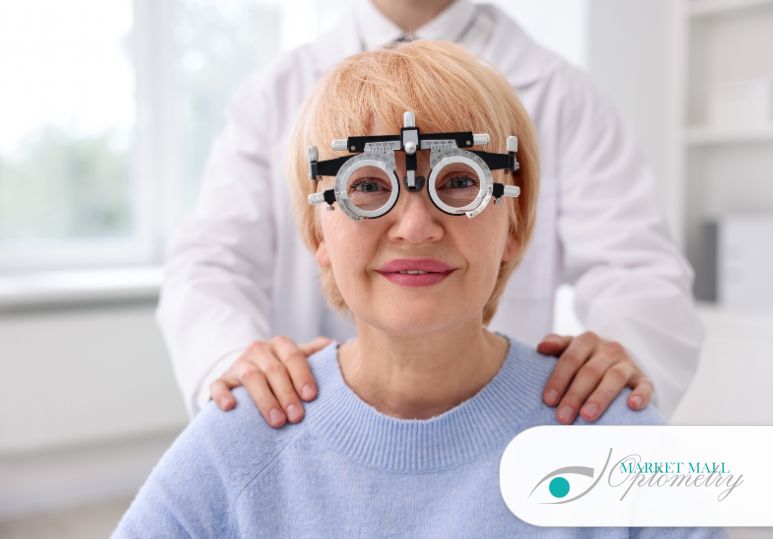
For seniors, preventative eye care becomes especially important as the likelihood of age-related conditions increases. Regular exams help detect cataracts, glaucoma, and macular degeneration before they significantly impact vision.
Preventative eye care is ultimately about protecting sight for the future. Routine monitoring allows patients to stay ahead of potential issues while maintaining clear and comfortable vision. By prioritizing regular eye exams, individuals can take a proactive approach to lifelong eye health.
FAQs
Q: WHAT IS PREVENTATIVE EYE CARE?
A: Preventative eye care focuses on routine exams and monitoring to detect vision changes or eye diseases early, before symptoms appear.
Q: HOW OFTEN SHOULD I HAVE A PREVENTATIVE EYE EXAM?
A: Most adults benefit from comprehensive eye exams every one to two years, although some individuals may require more frequent monitoring.
Q: CAN EYE EXAMS DETECT OTHER HEALTH CONDITIONS?
A: Yes. Eye exams can reveal early signs of conditions such as diabetes, high blood pressure, and certain neurological concerns through changes in the retina and blood vessels.