DRY EYE DISCOMFORT
Dry eye symptoms can make contact lens wear uncomfortable for some patients, especially during long workdays, extended screen use, or exposure to dry indoor environments. Contact lenses rely on a healthy and stable tear film to remain comfortable and maintain consistent visual clarity throughout the day. When tear production decreases or tears evaporate too quickly, contact lenses may begin feeling dry, unstable, or irritating during wear.
Common symptoms associated with dry eyes and contact lens discomfort include:
- Burning or stinging sensations
- Redness or irritation
- Fluctuating blurry vision
- Increased dryness later in the day
- Gritty or scratchy eye sensations
- Sensitivity to bright lighting
- Eye fatigue during computer use
- Excessive tearing caused by irritation
Several factors may contribute to dry eye symptoms, including aging, medications, allergies, hormonal changes, environmental conditions, and digital screen exposure. Long periods spent using computers, tablets, or smartphones can reduce blinking frequency, causing tears to evaporate more quickly and increasing discomfort during contact lens wear.
Indoor environments may also worsen symptoms. Air conditioning, heating systems, ceiling fans, and dry office settings can all contribute to tear evaporation throughout the day. Patients who drive frequently or spend time outdoors in windy conditions may also notice worsening dryness and irritation while wearing contact lenses.
Although dry eyes may create challenges, many patients can still wear contact lenses successfully with the right lens materials and proper management strategies. Comprehensive contact lens exams help Calgary optometrists evaluate tear film quality, corneal health, prescription stability, and overall eye surface condition before recommending lenses.
Routine monitoring remains important because dry eye symptoms may gradually worsen over time if left unmanaged. Calgary optometrists can identify subtle changes in tear stability and recommend adjustments that improve comfort while supporting healthier long-term contact lens wear.
DRY EYES
Modern contact lens technology has improved significantly for patients experiencing dryness and irritation. Earlier contact lens materials often reduced oxygen flow to the eyes and allowed moisture to evaporate more quickly during wear. Today’s advanced lenses are designed to improve hydration, increase breathability, and support greater comfort throughout the day.
Several contact lens options may improve comfort for patients with dry eyes, including:
- Daily disposable contact lenses
- Silicone hydrogel lens materials
- Moisture-retaining lens technologies
- Specialty lenses for sensitive eyes
- Multifocal lenses for aging eyes
- Breathable lenses with higher oxygen transmission
- Contact lenses designed for digital device use
Daily disposable lenses are commonly recommended because they provide a fresh, clean lens every day. This helps reduce buildup from debris, allergens, and protein deposits that may contribute to irritation or dryness. Many patients with mild to moderate dry eye symptoms find daily disposable lenses significantly more comfortable than reusable monthly options.
Silicone hydrogel contact lenses are another major advancement. These materials allow greater oxygen flow to reach the surface of the eye, helping maintain healthier corneal tissue and reducing dryness associated with extended wear. Improved oxygen transmission may also help reduce redness and irritation for some patients.
Some contact lenses are specifically designed to retain moisture more effectively throughout the day. Patients who spend long hours using computers or working in dry environments often benefit from these newer lens technologies. Multifocal contact lenses have also improved considerably for adults experiencing age-related near vision changes.
Comprehensive contact lens fittings remain extremely important because even advanced contact lenses may become uncomfortable if they do not fit correctly. Calgary optometrists evaluate lens movement, tear stability, corneal shape, and prescription accuracy to determine which lens option best supports both vision and overall eye health.
Patients with persistent symptoms may also benefit from combining contact lenses with dry eye treatments recommended by an optometrist. Artificial tears, eyelid hygiene routines, and specialized dry eye therapies may all improve overall comfort while supporting healthier tear production.
LENS COMFORT
Managing dry eye symptoms often involves more than simply changing contact lens materials. Daily habits, screen use, hydration, environmental exposure, and lens care routines can all influence comfort throughout the day. Even small adjustments may significantly improve contact lens wearability for patients experiencing dryness or irritation.
Patients experiencing dry eye symptoms while wearing contact lenses may benefit from:
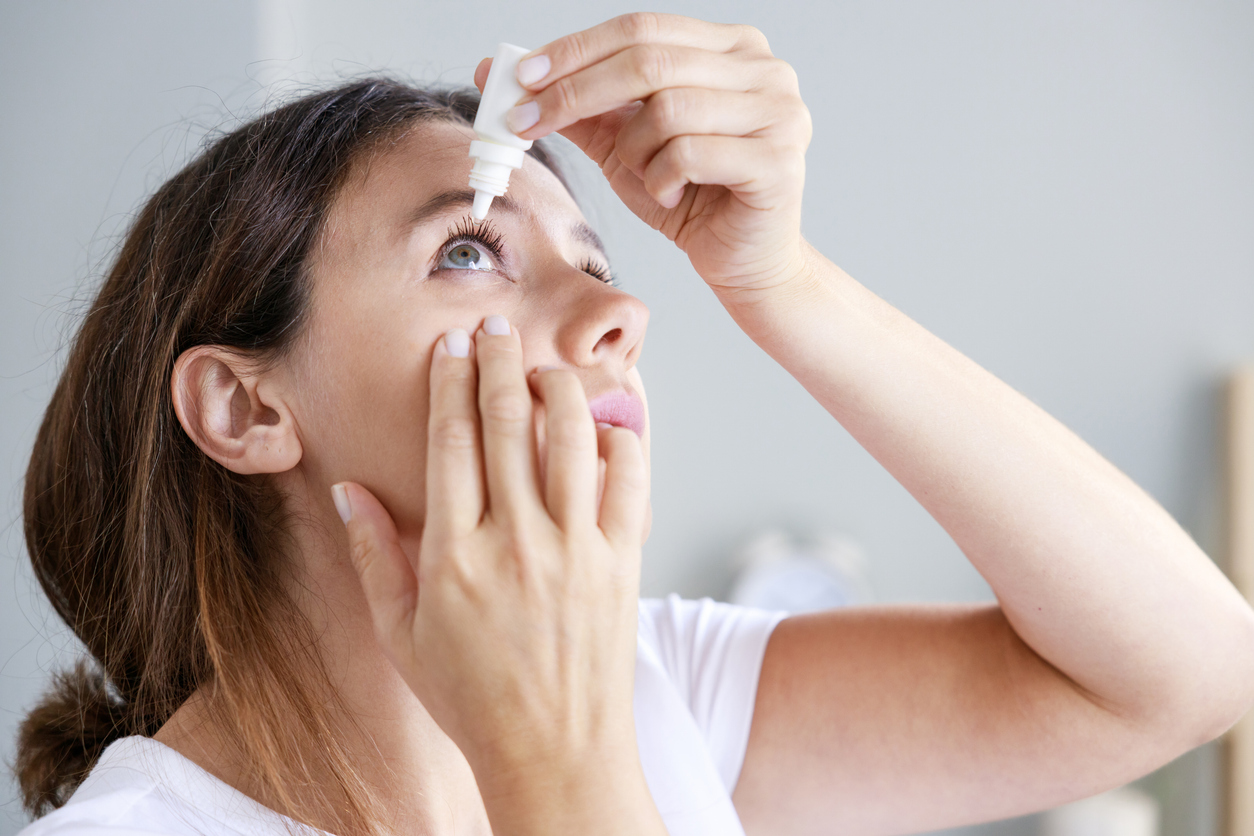
- Using lubricating eye drops recommended by an optometrist
- Taking regular breaks during screen use
- Increasing blinking frequency while working on devices
- Staying properly hydrated throughout the day
- Replacing contact lenses as directed
- Avoiding sleeping in lenses unless approved
- Limiting exposure to direct airflow from vents or fans
- Using a humidifier in dry indoor environments
Routine eye exams allow Calgary optometrists to monitor changes in tear film quality and overall eye health over time. Even mild dryness may gradually worsen if symptoms are ignored or contact lenses are worn longer than recommended. Ongoing evaluations help ensure contact lenses continue fitting comfortably while reducing the risk of irritation, inflammation, or long-term discomfort.
Environmental conditions may also affect contact lens comfort significantly. Dry winter air, seasonal weather changes, smoke exposure, and prolonged driving can all increase tear evaporation and worsen symptoms later in the day. Patients who work in office settings with constant screen exposure may experience additional dryness caused by reduced blinking frequency.
Many patients are surprised to learn that comfort levels may fluctuate throughout the year depending on environmental conditions and lifestyle changes. Calgary optometrists may recommend updated lens materials or additional dry eye management strategies during periods when symptoms become more noticeable.
Additional strategies that may help improve contact lens comfort include:
- Adjusting screen brightness and positioning
- Wearing sunglasses outdoors to reduce wind exposure
- Following proper lens cleaning routines consistently
- Avoiding overwearing contact lenses
- Scheduling routine comprehensive eye exams
- Taking short visual breaks throughout the workday
Regular monitoring becomes increasingly important for patients with persistent dry eye symptoms because tear quality and eye health can gradually change over time. Calgary optometrists can identify small changes early and recommend solutions that support clearer vision, healthier eyes, and more comfortable contact lens wear.
Modern contact lenses continue evolving with improved moisture technology and more breathable materials designed specifically for sensitive eyes. With proper lens selection, professional guidance, and consistent eye care, many patients with dry eyes can continue wearing contact lenses comfortably while maintaining clear, stable vision and stronger long-term eye health overall.
Patients with dry eyes may also notice that comfort levels change depending on sleep quality, hydration, seasonal allergies, and overall daily screen exposure. Even small lifestyle factors can influence tear stability and contact lens comfort throughout the day. Calgary optometrists may recommend updated lens materials, lubricating drops, or changes to wear schedules based on individual symptoms and visual demands.
Additional factors that may worsen dry eye discomfort include:
- Smoke exposure and dry air
- Long hours spent driving
- Poor indoor humidity levels
- Inconsistent contact lens replacement
- Extended screen use without breaks
Identifying these triggers early may help patients maintain clearer vision, healthier eyes, and more comfortable long-term contact lens wear.
FAQ's
Q: CAN PEOPLE WITH DRY EYES STILL WEAR CONTACT LENSES?
A: Yes. Many patients with mild to moderate dry eye symptoms can still wear contact lenses comfortably with the right lens materials, proper fitting, and ongoing eye care.
Q: WHAT CONTACT LENSES ARE BEST FOR DRY EYES?
A: Daily disposable lenses and silicone hydrogel contact lenses are commonly recommended because they improve moisture retention, breathability, and overall comfort during wear.
Q: HOW CAN I MAKE CONTACT LENSES MORE COMFORTABLE WITH DRY EYES?
A: Using lubricating eye drops, taking regular screen breaks, staying hydrated, and following proper contact lens replacement schedules may all help improve comfort and reduce dryness.