THE RIGHT PROVIDER
When selecting an eye care provider, professional qualifications and exam quality should be among the most important considerations. Optometrists are trained to evaluate visual clarity, diagnose eye conditions, and monitor changes in eye health over time. A clinic that prioritizes comprehensive examinations helps ensure patients receive thorough evaluations rather than quick prescription updates.
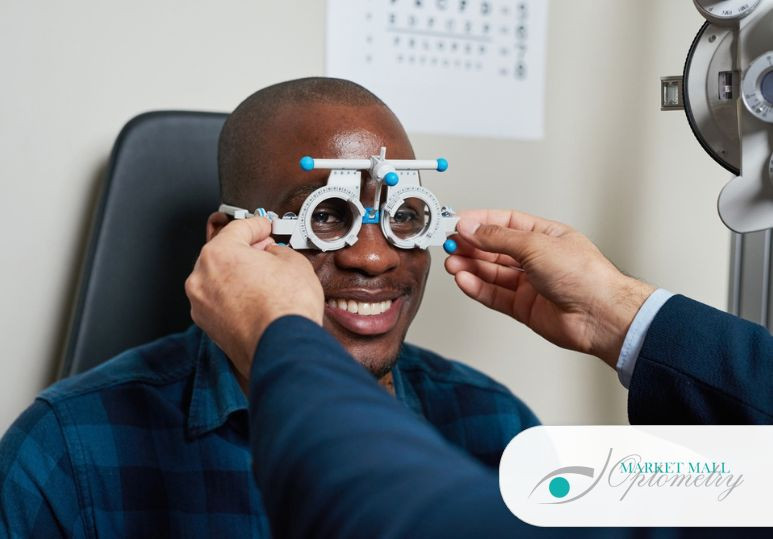
Comprehensive eye exams assess more than eyesight. During an exam, the optometrist evaluates eye pressure, peripheral vision, retinal health, and optic nerve function. These assessments help detect early signs of conditions such as glaucoma, macular degeneration, and diabetic eye disease.
Advanced diagnostic technology also plays an important role. Tools such as retinal imaging allow optometrists to observe internal eye structures in detail. These images provide valuable insight into subtle structural changes that may not yet affect vision. A clinic equipped with modern diagnostic tools can provide more accurate monitoring and early detection.
Choosing a provider who focuses on preventative eye care helps protect long-term vision and ensures that potential concerns are identified early.
PERSONALIZED CARE
Another important factor when choosing an eye care provider is the level of patient education and personalized attention offered during appointments. A quality clinic takes the time to explain exam results, answer questions, and discuss treatment or monitoring plans clearly.
Patient education allows individuals to understand their eye health and make informed decisions about preventative care. When patients understand their results, they are more likely to maintain consistent eye exam schedules and follow recommended treatments.
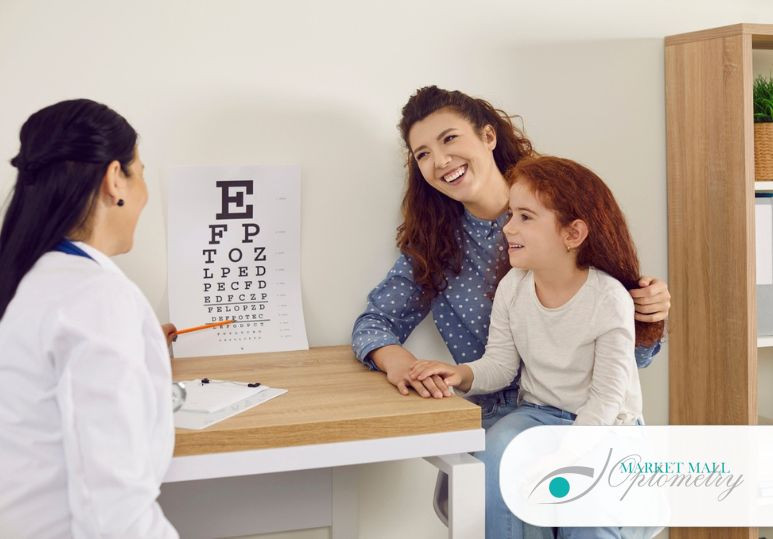
Personalized care is especially important because every patient has unique visual needs. Children require monitoring for proper visual development. Adults often experience prescription changes, digital eye strain, or contact lens concerns. Seniors may require screening for age-related conditions such as cataracts, glaucoma, and macular degeneration.
An experienced provider adjusts exam procedures and recommendations based on the patient’s age, lifestyle, and health history. This individualized approach helps ensure the most accurate assessments and effective care.
LONG-TERM EYE HEALTH
Consistent care from the same clinic provides important long-term benefits. When patients visit the same provider regularly, optometrists can compare exam results year after year. This ongoing monitoring makes it easier to identify subtle changes in vision or eye health.
Establishing a long-term record of eye health allows optometrists to detect early structural changes in the retina, optic nerve, or blood vessels. These small differences may signal the early stages of developing eye disease.
Continuity of care also supports more accurate prescription management. Even minor vision changes can affect comfort during daily tasks such as reading, driving, and computer use. Regular exams ensure prescriptions remain accurate and visual strain is minimized.
Choosing a reliable eye care provider helps patients maintain consistent monitoring and preventative care. By identifying small changes early and maintaining clear communication with patients, optometrists play a key role in protecting long-term vision.
Selecting the right provider ultimately means choosing a clinic that prioritizes comprehensive exams, modern diagnostic tools, patient education, and long-term eye health. With the right support and consistent care, individuals can maintain clear, comfortable vision throughout every stage of life.
In addition to monitoring vision changes, long-term eye care also helps identify lifestyle factors that may affect eye health. Extended screen use, poor lighting, and prolonged visual tasks can contribute to eye strain and fatigue. An experienced optometrist can recommend strategies to reduce strain, improve visual comfort, and support healthier daily habits.
Regular exams also provide an opportunity to review protective eyewear, lens options, and preventative strategies that help maintain strong vision over time. Blue light filtering lenses, computer lenses, and proper prescription updates can significantly improve comfort for individuals who spend long hours using digital devices.
By building a long-term relationship with a trusted eye care provider, patients benefit from consistent monitoring and personalized recommendations. This proactive approach helps ensure that vision remains stable, comfortable, and well-supported throughout every stage of life.
FAQs
Q: HOW DO I CHOOSE A GOOD EYE CARE PROVIDER?
A: Look for a clinic that offers comprehensive eye exams, modern diagnostic technology, experienced optometrists, and a focus on preventative eye care and patient education.
Q: HOW OFTEN SHOULD I VISIT AN EYE CARE PROVIDER?
A: Most adults should schedule eye exams every one to two years. Individuals with specific health conditions may require more frequent monitoring.
Q: WHAT SERVICES SHOULD A QUALITY EYE CLINIC PROVIDE?
A: A strong clinic should offer comprehensive eye exams, disease screening, contact lens assessments, retinal imaging, and ongoing monitoring of eye health.