GLAUCOMA SIGNS
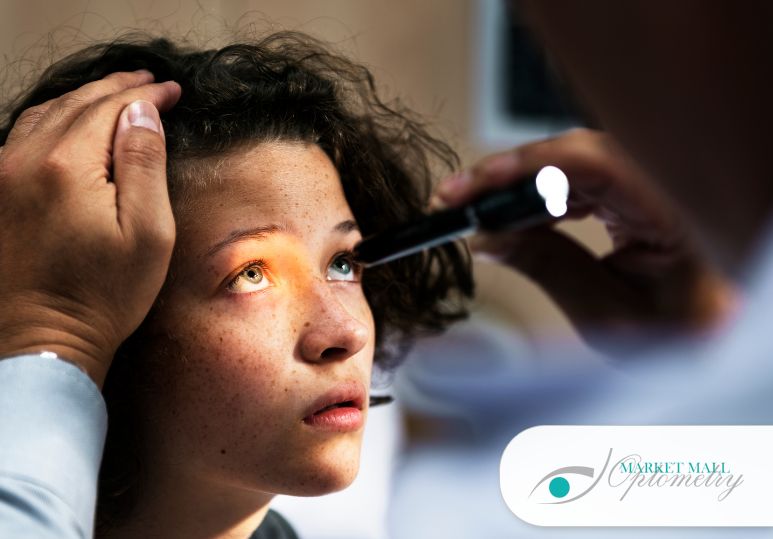
One of the most important conditions Calgary optometrists monitor during comprehensive eye exams is glaucoma. Glaucoma is a progressive disease that damages the optic nerve and can eventually cause permanent vision loss if left untreated. In many cases, symptoms develop so gradually that patients do not notice changes right away.
Comprehensive eye exams help identify several warning signs that may indicate glaucoma risk before noticeable vision loss occurs. Optometrists evaluate much more than prescription strength during preventative eye care appointments.
Common glaucoma screening assessments include:
- Eye pressure testing to detect elevated internal pressure
- Optic nerve evaluations to monitor structural changes
- Peripheral vision testing to identify field loss
- Retinal imaging to compare changes over time
- Family history reviews to assess overall risk factors
Many patients are surprised to learn that glaucoma can progress even when vision still appears normal. Peripheral vision loss often develops slowly, allowing the brain to adapt without immediate awareness. Regular monitoring helps Calgary optometrists identify subtle changes before they become severe.
Patients with elevated eye pressure may require closer monitoring even if glaucoma is not immediately diagnosed. Individuals with diabetes, high blood pressure, or a family history of glaucoma may also face increased risk. Early detection allows patients to begin treatment or monitoring before significant optic nerve damage occurs.
RETINAL CONDITIONS
Comprehensive eye exams also help detect retinal conditions and age-related eye diseases before symptoms significantly affect daily life. The retina plays a major role in processing visual information, making retinal health essential for maintaining clear, stable vision.
Calgary optometrists use advanced imaging technology to evaluate retinal structure and monitor for subtle abnormalities that may otherwise go unnoticed. Retinal imaging provides detailed views of internal eye structures and allows changes to be tracked over time.
Common retinal and age-related conditions identified during eye exams include:
- Macular degeneration affecting central vision
- Diabetic retinopathy caused by retinal blood vessel damage
- Cataracts that gradually cloud the natural lens
- Retinal tears or detachments that threaten vision
- Vascular abnormalities linked to medical conditions
Macular degeneration is one of the most common age-related conditions detected during routine eye exams. Early stages may not immediately interfere with reading or driving, making preventative monitoring especially important. Detecting retinal changes early allows patients to receive treatment guidance and ongoing evaluation before vision becomes severely affected.
Diabetic eye disease is another condition that often develops quietly. Elevated blood sugar levels can damage retinal blood vessels over time, leading to swelling, leakage, and reduced visual performance. Routine diabetic eye exams help identify these changes before they progress into more serious complications.
Cataracts may initially cause increased glare, blurred vision, or difficulty seeing at night. Monitoring cataract progression allows optometrists to determine when additional treatment may become necessary.
EYE EXAMS
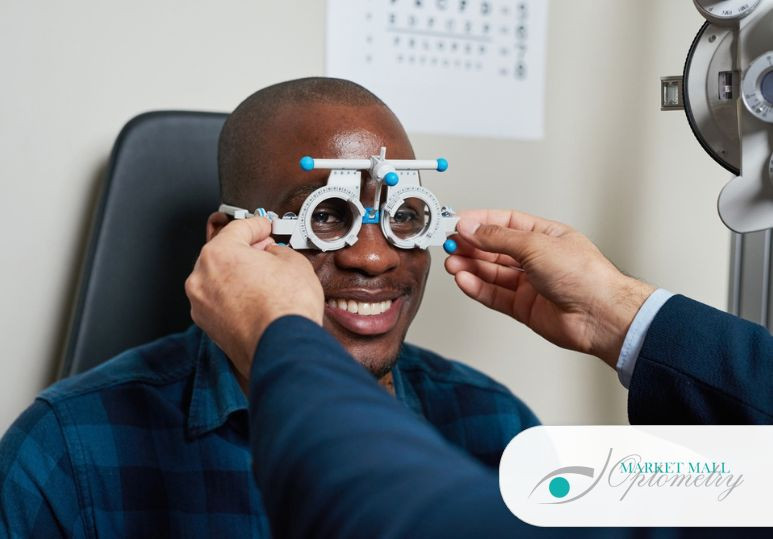
Preventative eye exams help Calgary optometrists identify problems before they begin affecting everyday activities. Many patients assume eye exams are necessary only when vision becomes blurry, but comprehensive evaluations provide much more information than a simple prescription update.
Routine eye exams evaluate visual clarity, eye coordination, retinal health, eye pressure, optic nerve condition, and peripheral vision. Together, these assessments create a detailed understanding of overall eye health and long-term visual stability.
Preventative eye care also helps monitor changes related to aging, screen use, medications, and underlying health conditions. Long hours on computers and digital devices may contribute to headaches, dryness, fatigue, and focusing discomfort. Early assessment allows optometrists to recommend solutions that improve comfort and reduce visual strain.
Additional benefits of comprehensive eye exams include:
- Monitoring prescription stability over time
- Detecting early signs of disease before symptoms appear
- Supporting safe driving and workplace performance
- Identifying age-related vision changes earlier
- Creating a long-term baseline for comparison
Children benefit from routine eye exams because vision plays a major role in learning and development. Adults benefit from monitoring that supports prescription accuracy and visual comfort. Seniors often require more frequent evaluations because age-related eye diseases become increasingly common over time.
Routine eye exams may also reveal signs of broader health concerns. Because optometrists can directly observe blood vessels and nerve tissue inside the eye, certain changes may indicate diabetes, high blood pressure, or neurological conditions. Early identification allows patients to seek appropriate medical care sooner.
By detecting eye problems early, comprehensive eye exams help reduce the risk of long-term complications while supporting clearer, healthier vision. Preventative monitoring remains one of the most effective ways to protect eyesight throughout every stage of life.
Many patients do not realize that glaucoma can develop without pain or sudden vision loss. Because symptoms often progress slowly, routine eye exams remain one of the most effective ways to identify changes before permanent damage occurs.
Calgary optometrists often monitor for:
- Gradual peripheral vision loss
- Changes in optic nerve appearance
- Elevated internal eye pressure
- Retinal structural abnormalities
- Increased glaucoma risk factors
Advanced retinal imaging technology has also improved the ability to detect very small structural changes inside the eye.
These detailed scans help monitor:
- Retinal layers and tissue health
- Blood vessel abnormalities
- Early macular degeneration changes
- Diabetic eye disease progression
- Optic nerve stability over time
Retinal imaging may also help identify signs linked to broader health concerns, including diabetes and high blood pressure. Because optometrists can directly observe blood vessels inside the eye, routine exams often provide valuable insight into overall health.
Routine eye exams also help ensure prescriptions remain accurate and comfortable.
Even small prescription changes may contribute to:
- Headaches and eye strain
- Fatigue during reading or screen use
- Blurry or fluctuating vision
- Difficulty focusing throughout the day
- Increased nighttime glare sensitivity
Preventative eye care becomes especially important for patients who spend long hours using digital devices. Calgary optometrists may recommend lens updates, hydration strategies, or visual adjustments that improve comfort during extended screen use.
Consistent eye exams become increasingly valuable with age because the risk of developing glaucoma, cataracts, macular degeneration, and other conditions gradually increases over time. Regular monitoring allows subtle changes to be detected earlier and supports stronger long-term vision protection. Routine comprehensive eye exams also help patients better understand how lifestyle habits may affect long-term vision health. Factors such as screen exposure, sleep quality, hydration, and medical conditions can all influence visual comfort and eye performance over time. Calgary optometrists may recommend preventative strategies, updated prescriptions, or ongoing monitoring designed to support healthier daily vision and reduce future complications. Regular preventative eye care supports clearer, healthier long-term vision.
FAQ's
Q: CAN AN OPTOMETRIST DETECT EYE CONDITIONS BEFORE SYMPTOMS APPEAR?
A: Yes. Comprehensive eye exams help optometrists identify subtle changes associated with glaucoma, macular degeneration, diabetic eye disease, cataracts, and other conditions before noticeable symptoms develop.
Q: HOW OFTEN SHOULD I SCHEDULE A COMPREHENSIVE EYE EXAM?
A: Most adults should schedule comprehensive eye exams every one to two years. Patients with diabetes, glaucoma risk factors, or age-related concerns may require more frequent monitoring.
Q: WHAT CAN RETINAL IMAGING HELP DETECT?
A: Retinal imaging can help detect macular degeneration, diabetic retinopathy, retinal tears, vascular abnormalities, and other structural changes that may affect long-term eye health.