Why Regular Adult Eye Exams Matter
Scheduling consistent adult eye exams plays a far greater role than simply updating glasses or contact lens prescriptions. A complete adult eye exam evaluates overall eye function, visual acuity, eye pressure, retinal health, and early signs of disease. Many serious conditions develop gradually without noticeable symptoms. By the time vision changes occur, damage may already be significant.
Through comprehensive eye exams for adults, optometrists assess the optic nerve, macula, blood vessels, and peripheral vision. These evaluations help detect glaucoma, macular degeneration, diabetic retinopathy, cataracts, and other progressive concerns. Early diagnosis allows for timely treatment, slowing or preventing long-term vision loss.
In addition to ocular disease detection, routine eye exams can reveal broader health issues. High blood pressure, diabetes, and certain autoimmune conditions often present early warning signs in the eyes. Regular monitoring ensures that subtle changes are identified quickly, reinforcing the importance of preventative eye care rather than reactive treatment.
Recommended Eye Exam Frequency by Age and Risk
How often adults need eye exams depends largely on age and personal health history. For adults between 18 and 64 with no known risk factors, an eye exam is typically recommended every one to two years. This timeframe ensures prescriptions remain accurate and eye health remains stable.
Adults over 65 generally benefit from yearly comprehensive eye exams. Aging increases the likelihood of cataracts, glaucoma, and macular degeneration. Annual assessments allow for close monitoring and early management.
Certain individuals may require more frequent routine eye exams. Those with diabetes, high blood pressure, a family history of eye disease, or previous eye injuries should follow a personalized schedule recommended by their provider. Contact lens wearers also require regular evaluations to ensure proper fit and corneal health.
Digital device usage is another growing consideration. Adults experiencing persistent eye strain, dryness, headaches, or blurred vision may benefit from more frequent assessments through eye exams. Lifestyle factors, workplace demands, and medical conditions all influence ideal exam frequency.
What Happens During a Comprehensive Adult Eye Exam
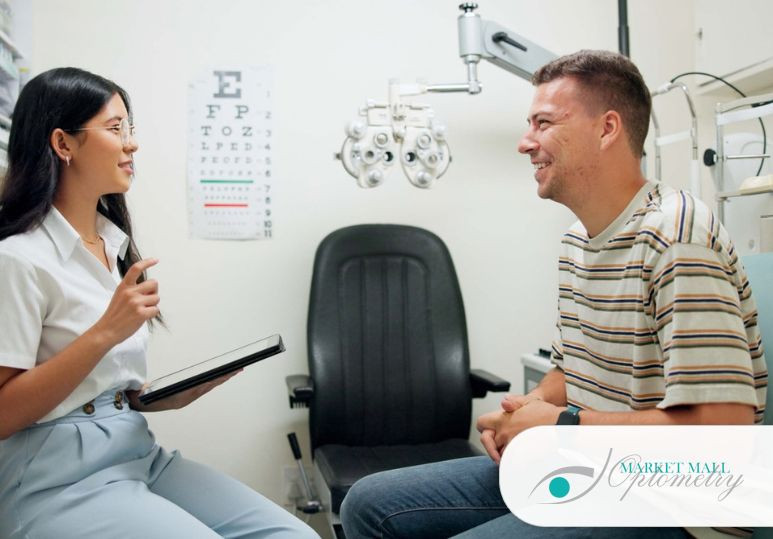
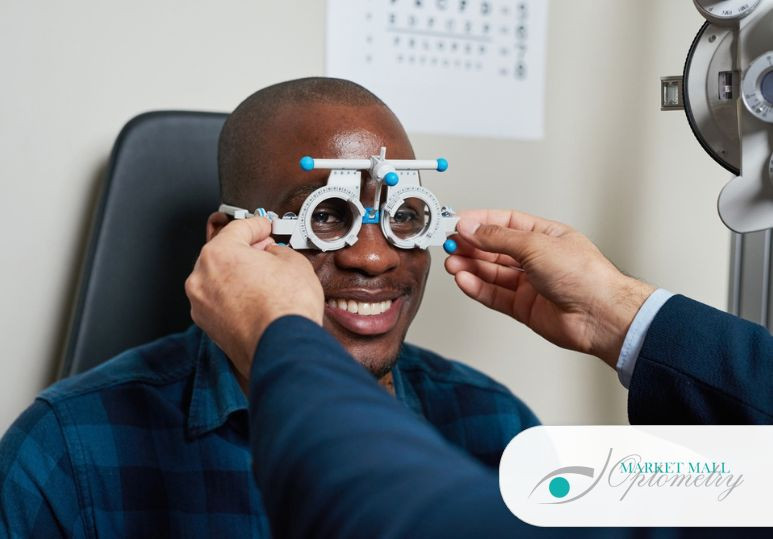
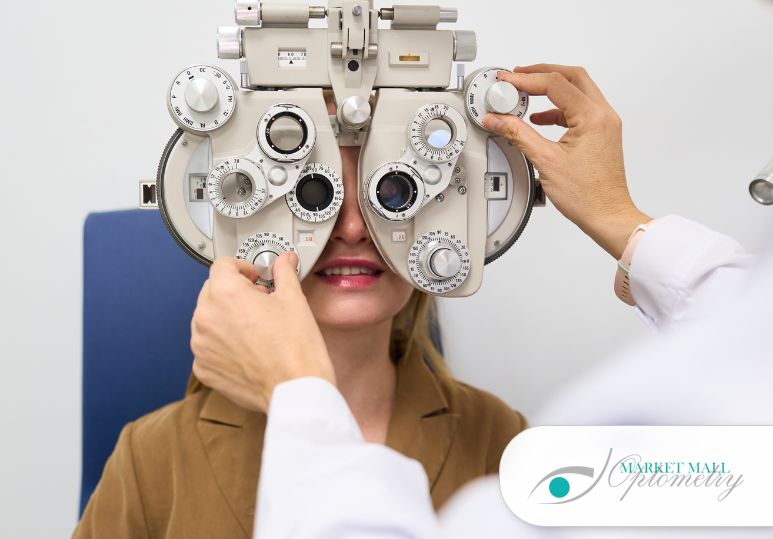
A thorough eye exam appointment includes more than a standard vision chart test. During a complete adult eye exam, the optometrist evaluates visual clarity at various distances, checks eye coordination, and assesses depth perception.
Eye pressure testing screens for glaucoma, while retinal imaging or dilation allows detailed examination of the back of the eye. These components are central to comprehensive eye exams for adults, helping identify early structural changes that are not visible externally.
Providers also assess tear film quality and corneal health, particularly for patients experiencing dry eye symptoms. Individuals wearing contact lenses receive additional measurements to ensure comfort and safety. Prescription updates for glasses or lenses are made as needed, ensuring optimal clarity and reduced strain.
Most importantly, routine eye exams create a long-term health record. Comparing year-over-year results helps detect gradual changes that may otherwise go unnoticed. Even small shifts in optic nerve appearance or retinal thickness can signal developing concerns.
An experienced clinic offering adult eye exams tailors each assessment to the patient’s age, health profile, and visual demands. The goal is not only to maintain clear sight but to protect overall eye function well into the future.
Delaying exams until symptoms appear increases the risk of advanced disease progression. Preventive scheduling ensures small issues are addressed before they become complex or irreversible. For adults balancing work, family, and daily responsibilities, prioritizing consistent eye care supports long-term productivity, safety, and quality of life.
FAQs
Q: HOW OFTEN SHOULD ADULTS GET EYE EXAMS?
A: Most healthy adults should schedule eye exams every one to two years. Adults over 65 or those with medical risk factors may require annual visits. Your optometrist will recommend a schedule based on personal health and family history.
Q: ARE EYE EXAMS NECESSARY IF MY VISION SEEMS FINE?
A: Yes. Many eye diseases develop without noticeable symptoms. Comprehensive eye exams for adults detect early changes before vision loss occurs, making preventative care essential even when eyesight feels normal.
Q: WHAT CONDITIONS CAN AN ADULT EYE EXAM DETECT?
A: An adult eye exam can identify glaucoma, macular degeneration, diabetic eye disease, cataracts, and retinal issues. It may also reveal signs of systemic health conditions such as high blood pressure or diabetes.