ADULT EYE EXAM
Maintaining healthy vision involves more than simply updating your glasses or contact lens prescription when your eyesight changes. A routine adult eye exam is an essential part of preventive healthcare that helps detect vision problems and eye diseases before they begin affecting your quality of life. Many serious eye conditions develop gradually without noticeable symptoms, making regular examinations one of the most effective ways to protect your long-term vision.
Many adults assume they only need an eye exam when their vision becomes blurry or they experience discomfort. However, waiting until symptoms appear can allow certain eye diseases to progress unnoticed. Conditions such as glaucoma, diabetic retinopathy, cataracts, and macular degeneration often develop slowly and may not cause obvious warning signs during their early stages.
For healthy adults with no significant eye conditions or risk factors, many optometrists recommend scheduling a comprehensive eye exam every one to two years. The exact frequency depends on your age, overall health, family history, and any existing vision concerns. Adults who wear glasses or contact lenses may benefit from more frequent examinations to ensure their prescription continues to provide clear, comfortable vision.
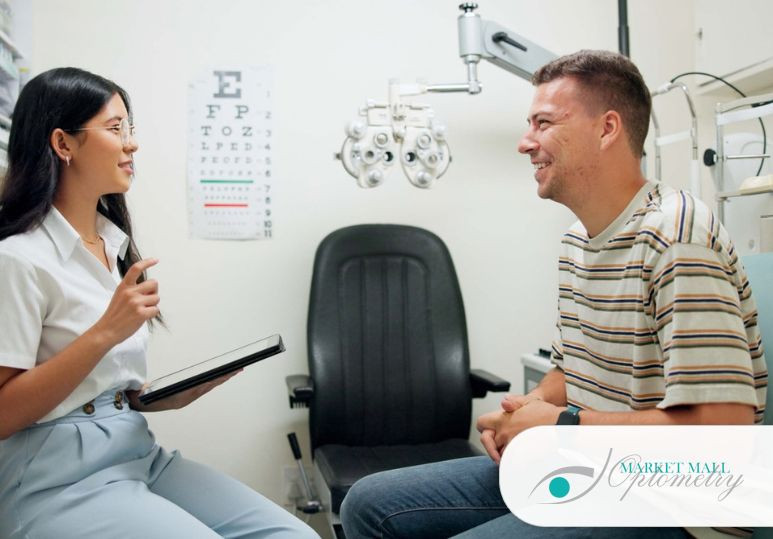
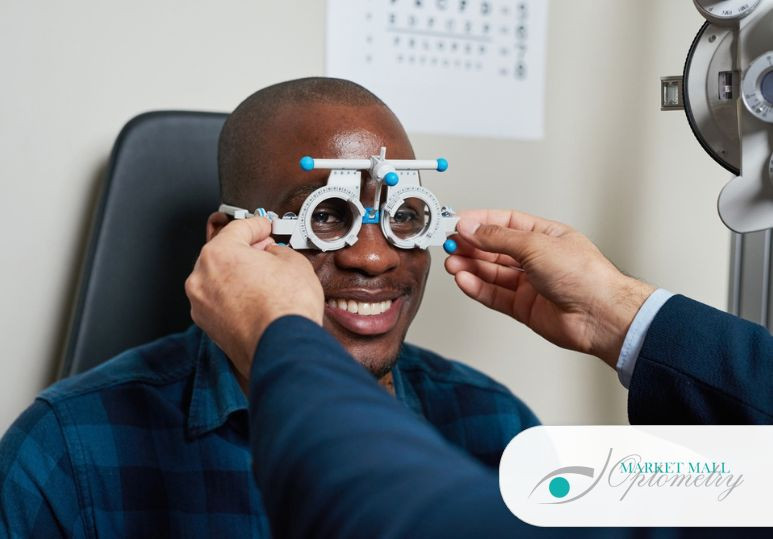
During an adult eye exam, your optometrist evaluates much more than your ability to read an eye chart. The examination includes an assessment of your visual acuity, eye coordination, focusing ability, prescription needs, and the overall health of your eyes. These evaluations provide valuable insight into both your vision and your general eye health.
Factors that influence how often adults should schedule an eye exam include:
- Age
- Overall health
- Family history of eye disease
- Diabetes or other medical conditions
- Current prescription changes
- Contact lens use
- Occupational vision demands
- Previous eye injuries
Lifestyle also plays an important role in determining eye care needs. Adults who spend long hours using computers or digital devices may experience digital eye strain, dry eyes, headaches, and blurred vision. Routine eye exams allow your optometrist to recommend solutions that improve comfort while reducing strain during everyday activities.
People over the age of 60 often require more frequent eye examinations because the risk of age-related eye diseases increases over time. Regular monitoring helps identify changes early, allowing treatment to begin before permanent vision loss occurs.
Even younger adults with healthy eyesight benefit from routine preventive care. Establishing a baseline of your eye health allows your optometrist to monitor subtle changes over time and identify concerns before they become more serious.
Scheduling regular eye exams is a proactive investment in your long-term vision. By following the recommended examination schedule, adults can maintain clear eyesight while reducing the risk of undetected eye disease.
EYE EXAMS FACTORS
Although general guidelines recommend routine eye exams every one to two years for many healthy adults, some individuals require more frequent monitoring based on their personal health history and risk factors. Your optometrist will recommend an examination schedule that best supports your individual needs.
One of the most important factors is diabetes. Diabetes can affect the small blood vessels inside the retina, leading to diabetic retinopathy, which may develop without noticeable symptoms during its early stages. Regular eye examinations allow early detection and treatment before significant vision loss occurs.
High blood pressure may also affect the health of the eyes. Changes in the retinal blood vessels can sometimes provide early indications of cardiovascular concerns, making routine eye exams an important part of overall preventive healthcare.
Family history is another significant consideration. Adults with close relatives who have glaucoma, macular degeneration, or other inherited eye diseases may require more frequent evaluations to monitor for early signs of these conditions.
Adults who wear contact lenses often benefit from annual examinations to ensure their lenses continue fitting properly and to monitor the health of the cornea. Even if your vision appears unchanged, contact lens evaluations help reduce the risk of complications related to lens wear.
Your optometrist may recommend more frequent eye exams if you have:
- Diabetes
- High blood pressure
- Family history of glaucoma
- Family history of macular degeneration
- Contact lenses
- Previous eye injuries
- Autoimmune disorders
- Significant prescription changes
Certain medications may also affect vision or eye health. Long-term use of some prescription medications can increase the risk of cataracts, dry eye syndrome, or retinal complications. Routine examinations allow your optometrist to monitor for any medication-related changes.
Adults who have undergone eye surgery, including cataract surgery or laser vision correction, may also require scheduled follow-up visits to ensure their eyes continue healing properly and their vision remains stable.
Individuals working in visually demanding occupations may benefit from routine eye care as well. Jobs involving extended computer use, detailed close-up work, driving, or exposure to hazardous environments place additional demands on vision that should be monitored regularly.
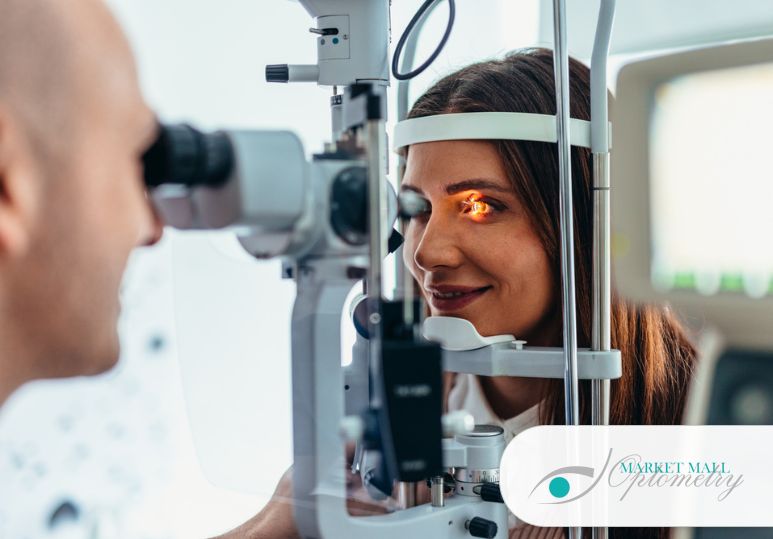
Modern diagnostic technology allows optometrists to identify many eye diseases before noticeable symptoms appear. Advanced retinal imaging, eye pressure testing, and detailed examinations of the optic nerve provide valuable information that supports early diagnosis and treatment.
The goal of routine eye care is not only to correct vision but also to preserve long-term eye health. By identifying risk factors early and monitoring changes over time, your optometrist can recommend treatment plans that help protect your eyesight throughout adulthood.
BENEFITS OF REGULAR ADULT EYE EXAMS
Routine eye exams provide benefits that extend well beyond updating your glasses prescription. They help maintain healthy vision, detect medical conditions early, improve daily comfort, and support long-term eye health throughout every stage of adulthood.
One of the greatest advantages of regular eye examinations is early detection. Many eye diseases progress slowly and painlessly, making them difficult to recognize without professional testing. Detecting conditions early often allows treatment to begin before permanent vision damage occurs.
Prescription updates are another valuable benefit. Even small changes in your vision can affect reading, driving, computer work, and other daily activities. Updating your prescription improves visual clarity while reducing headaches, eye strain, and fatigue.
Routine eye exams also allow your optometrist to evaluate changes in your overall eye health from one visit to the next. Comparing examination results over time helps identify subtle differences that may indicate developing conditions requiring additional attention.
Benefits of regular adult eye exams include:
- Early disease detection
- Updated prescriptions
- Improved visual comfort
- Better eye health monitoring
- Reduced digital eye strain
- Safer driving vision
- Personalized eye care recommendations
- Long-term vision protection
Your optometrist can also provide personalized advice regarding nutrition, UV protection, dry eye management, screen habits, and workplace ergonomics. These recommendations help support healthy vision between appointments while reducing preventable eye strain and discomfort.
Routine eye care also contributes to overall health monitoring. In some cases, changes observed during an eye exam may indicate underlying medical conditions such as diabetes, high blood pressure, or autoimmune disorders. Identifying these concerns early allows patients to seek appropriate medical care sooner.
As adults age, regular monitoring becomes increasingly important. Cataracts, glaucoma, and age-related macular degeneration become more common later in life, making consistent examinations essential for preserving independence and quality of life.
Building a long-term relationship with your optometrist allows your eye care provider to better understand your personal vision history, lifestyle, and changing health needs. This continuity of care supports more accurate diagnoses and personalized recommendations over time.
Regular eye examinations also provide reassurance that your vision and eye health are being monitored consistently over time. Even if no significant changes are found during an appointment, having documented results allows your optometrist to compare future exams and identify subtle differences that might otherwise go unnoticed. This ongoing monitoring is especially valuable as your vision naturally changes with age or as new health conditions develop. Routine visits also give you the opportunity to discuss any concerns about digital eye strain, dry eyes, contact lenses, or changes in your daily visual demands. By staying proactive and following a personalized examination schedule, you can better protect your eyesight, preserve long-term eye health, and continue enjoying clear, comfortable vision throughout every stage of adulthood.
Ultimately, scheduling a routine adult eye exam is one of the simplest and most effective ways to protect your eyesight. Whether your vision seems perfectly normal or you've noticed subtle changes, regular examinations provide valuable reassurance while helping detect problems before they become more serious. By following your optometrist's recommended schedule, you can enjoy clear, comfortable vision, reduce your risk of preventable eye disease, and maintain healthy eyesight throughout every stage of adulthood.
FAQ's
Q: HOW OFTEN SHOULD ADULTS GET AN EYE EXAM?
A: Most healthy adults should have a comprehensive eye exam every one to two years. However, your optometrist may recommend more frequent visits based on your age, health, family history, or existing eye conditions.
Q: DO I NEED AN EYE EXAM IF MY VISION SEEMS NORMAL?
A: Yes. Many eye diseases develop without noticeable symptoms during their early stages. Routine eye exams help detect conditions such as glaucoma, cataracts, and diabetic eye disease before they affect your vision.
Q: WHO SHOULD HAVE EYE EXAMS MORE FREQUENTLY?
A: Adults with diabetes, high blood pressure, a family history of eye disease, contact lenses, previous eye injuries, or significant prescription changes may benefit from more frequent eye examinations as recommended by their optometrist.